In today’s packaging industry, the choice of materials greatly impacts efficiency and effectiveness. Cold Sealing Cover Tape stands out as a leading solution for various packaging needs. Its unique properties offer both practical advantages and improved sustainability.
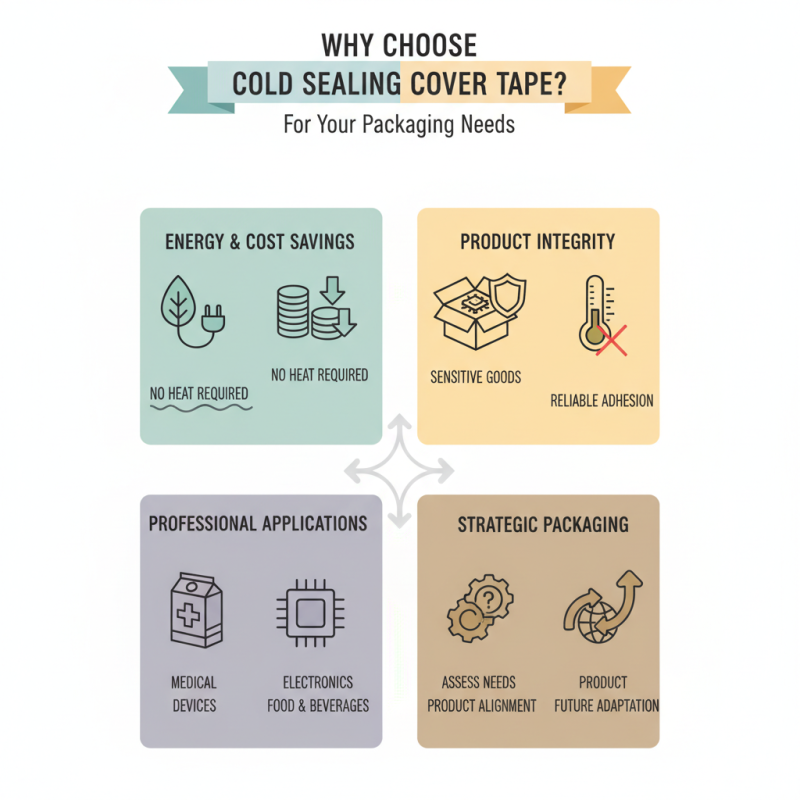
Cold Sealing Cover Tape adheres without the need for heat, which saves energy and reduces costs. This type of tape is particularly beneficial for sensitive products that cannot withstand high temperatures. Its reliable adhesion ensures that packages remain secure during transit. Many professions rely on this tape to maintain product integrity.
While Cold Sealing Cover Tape offers numerous benefits, it is essential to consider specific applications. Not every product may require this type of sealing. Reflecting on unique packaging needs is important. Choosing the right sealing method should align with the product's requirements and the overall packaging strategy. As industries evolve, adapting to new materials can enhance efficiency and effectiveness.
Understanding Cold Sealing Cover Tape and Its Applications
Cold sealing cover tape is becoming essential in packaging applications. This tape uses a specially designed adhesive that bonds without the need for heat, making it suitable for various materials. Its functionality is particularly beneficial for sensitive products where heat exposure could cause damage. Additionally, this method can enhance efficiency in production environments.
When considering cold sealing tape, it's crucial to select the right thickness and adhesive type. The correct choice ensures the seal is robust and fits your product needs. Poor selection can lead to compromised packaging. Take time to test different options before committing to a bulk order.
Tips: Be aware of environmental factors. Humidity and temperature can affect adhesive performance. Ensure the sealing area is clean and dry for the best results. Regularly assess your sealing technique to avoid potential issues.
Cold sealing offers advantages, but it’s not flawless. Differences in material can lead to inconsistencies. Applying it requires practice and adjustment. Monitor the sealing process closely to identify areas for improvement.
Advantages of Cold Sealing Over Traditional Packaging Methods
Cold sealing cover tape is increasingly preferred in the packaging industry. Its advantages over traditional methods are particularly noteworthy. Cold sealing works without heat, making it suitable for heat-sensitive products. According to a recent industry report, cold seal applications have grown by 30% in the last five years. This growth highlights companies' shift towards more efficient and effective packaging solutions.
One significant benefit is reduced energy consumption. Cold sealing eliminates the need for heating equipment. This not only lowers operational costs but also supports sustainability goals. However, it can be challenging to ensure a secure seal in varying humidity conditions. Achieving a perfect seal requires careful monitoring of environmental factors. Despite its limitations, cold sealing remains a reliable choice.
Another advantage is the speed of the sealing process. Cold seal applications can increase production rates, leading to quicker time-to-market. Research indicates that companies using cold sealing methods report up to a 20% increase in throughput. However, while these benefits are attractive, firms must address potential challenges in seal formation. Evaluating the specific needs of products is essential for a successful transition to cold sealing technology.
Key Features of Cold Sealing Cover Tape for Effective Packaging
Cold sealing cover tape is a versatile solution for efficient packaging. Its unique properties make it an ideal choice for various applications. The tape adheres to surfaces without heat, reducing energy costs. This feature also enhances safety during production. Operators do not need to worry about burns or heat-related accidents.
Durability is another key feature of cold sealing cover tape. It can withstand extreme temperatures and considerable stress. This ensures that the packaging remains intact during transportation and storage. Customers can trust that their products are safe from damage. The tape also provides excellent moisture resistance. This is crucial for protecting items sensitive to humidity.
However, users should be aware that cold sealing cover tape requires specific surface preparation. In some cases, residues can affect adhesion. This means operators must ensure surfaces are clean and dry. Regular testing can help identify any issues with the tape’s performance. Packaging processes can benefit from careful monitoring and adjustments to maximize effectiveness.
Industries That Benefit from Cold Sealing Technology
Cold sealing technology has become a pivotal innovation in various industries. Its unique properties make it an ideal choice for sensitive products. The food sector, in particular, greatly benefits from this technology. Cold sealing ensures that food packaging is secure without requiring heat, preserving freshness and reducing spoilage.
Pharmaceuticals also find value in cold sealing cover tape. The method provides an airtight seal, protecting sensitive medications from moisture and contamination. This is critical for ensuring product safety and efficacy. Additionally, cosmetics companies leverage cold sealing for their packaging needs, maintaining the integrity of delicate formulations. The versatility of this technology is evident across these sectors.
However, challenges remain. Some users struggle with application methods or adhesive strength. It’s essential for manufacturers to address these issues to enhance reliability. Continuous improvement is necessary to fully harness cold sealing technology's potential. Industries must stay informed about advancements to effectively adapt and thrive.
Tips for Selecting the Right Cold Sealing Tape for Your Needs
Choosing the right cold sealing tape can significantly impact your packaging efficiency. Consider what materials you will use. Cold sealing tapes can bond effectively to various substrates like paper and plastic. Knowing your packaging environment is crucial. Factors like temperature and humidity can affect adhesion.
Think about the width and thickness of the tape. These dimensions influence the strength of the seal. A wider tape may better withstand pressure during transport. Align your choice with your specific needs. Evaluate how easy it is to apply. An improper application can lead to product damage.
Testing different tape types might be necessary. You may encounter trials to find the best fit. Observe the sealing process closely. The more you learn, the better your results will be. Always document the performance of different tapes for future reference. This way, you can refine your choices over time.
FAQS
: It is a packaging solution that adheres without heat, improving safety and energy efficiency.
It reduces the risk of burns and accidents related to heat during production.
It withstands extreme temperatures and stress, keeping packages intact during transit.
It protects sensitive items from damage caused by humidity, ensuring product safety.
Surfaces must be clean and dry to avoid any residues that can hinder adhesion.
Regular testing and monitoring can help identify and solve performance issues effectively.
Material type, packaging environment, and dimensions like width and thickness impact the right choice.
Close observation helps improve application techniques and overall sealing efficiency over time.
Documenting performance helps refine tape choices for future packaging needs.
Users may encounter trials in finding the right tape, leading to potential product damage if not done correctly.
Conclusion
Cold Sealing Cover Tape is an innovative packaging solution that offers several advantages over traditional methods. This type of tape utilizes a unique adhesive that bonds upon contact, eliminating the need for heat, which can be beneficial across various applications and industries. Its efficiency not only enhances productivity but also reduces energy costs, making it an attractive option for manufacturers.
Key features of Cold Sealing Cover Tape include its ease of use, temperature resistance, and ability to provide a secure seal. Industries such as food packaging, pharmaceuticals, and consumer goods can significantly benefit from this technology, as it ensures product integrity while preserving freshness and quality. When selecting the right Cold Sealing Cover Tape, it is essential to consider factors such as adhesion strength, substrate compatibility, and specific application needs, ensuring optimal performance for your packaging requirements.

 YONGJIA Electronic