In the evolving landscape of global sourcing, choosing the right materials is essential. One product that stands out is Cold Sealing Cover Tape. This tape offers unique advantages in packaging and securing products. Its ease of use and strong adhesion make it popular across various industries.
Cold Sealing Cover Tape is not just a functional item; it also reflects quality and reliability. Many suppliers provide a range of options, yet finding the best choice can be challenging. Sourcing can often be complicated by factors like cost, availability, and compliance with standards. Companies need to weigh these elements carefully.
Despite its advantages, Cold Sealing Cover Tape is not a one-size-fits-all solution. Some challenges may arise related to application methods or environmental conditions. Open discussions within the industry can help address these concerns. Understanding the nuances of Cold Sealing Cover Tape is vital for informed sourcing decisions, ensuring that businesses choose the right product for their needs.
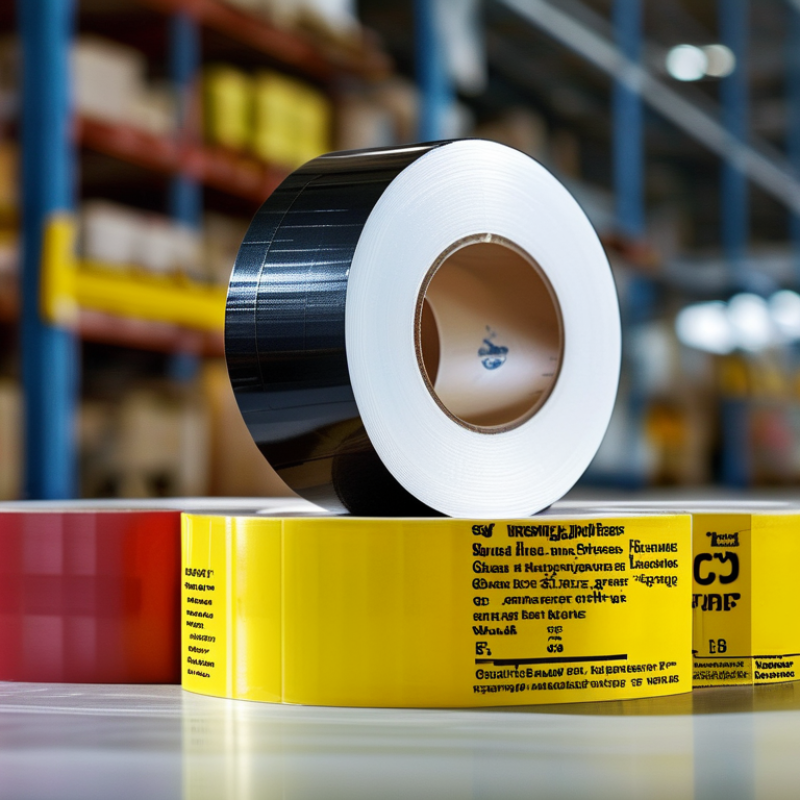
Overview of Cold Sealing Cover Tape and Its Applications
Cold sealing cover tape has gained attention across various industries due to its unique properties and applications. This specialized tape provides an effective barrier against moisture and contaminants. It is particularly useful in packaging, ensuring that the seals remain strong without needing heat or added adhesives. This can save energy and reduce manufacturing costs.
In the medical field, cold sealing tape plays a crucial role in packaging sterile items. It helps maintain sterility, ensuring products remain safe for use. However, not all tapes are created equal. Users should consider adhesive strength, temperature tolerance, and specific application requirements. These factors can affect how well the tape performs over time.
One challenge is that while some tapes work well in ideal conditions, they may not hold up under extreme stress. Additionally, improper application can lead to seal failures, allowing contaminants to breach the package. This highlights the importance of thorough testing and evaluation. Users must recognize that choosing the right cold sealing tape requires careful consideration of numerous variables in real-world applications.
Key Features to Consider When Selecting Cold Sealing Tape
When selecting cold sealing tape for global sourcing needs, several key features require careful consideration. Adhesive strength plays a crucial role in ensuring that the tape remains securely in place under various conditions. Ideally, a tape should bond well to different substrates without the need for heat or solvent activation. This characteristic can be essential for various industries, such as packaging and shipping.
Another important aspect is temperature tolerance. Cold sealing tape must perform effectively in cold environments. Subpar options may lose their grip when exposed to low temperatures, leading to product damage. It's crucial to ensure that the tape can withstand fluctuating conditions. Additionally, consider the tape's thickness and elasticity. A thicker tape may offer better protection but could be less flexible, which is a factor that should meet specific application requirements.
Lastly, transparency in sourcing is vital. Understanding the origins and composition of the tape can help assess its overall quality. Sourcing from reputable manufacturers with clear specifications can mitigate risks associated with inferior products. Each of these elements plays a part in ensuring reliability and effectiveness in tape selection for professional needs.
Comparative Analysis of Top Cold Sealing Tapes for Global Sourcing
The global demand for cold sealing cover tape is rapidly increasing. This growth is driven by a variety of industries seeking reliable packaging solutions. According to industry reports, the cold sealing tape market is projected to grow at a compound annual growth rate of 5.3% from 2021 to 2026. This statistic highlights a distinct need in sectors like food packaging and pharmaceuticals.
When analyzing top cold sealing tapes, it is essential to evaluate their performance metrics. Many tapes display varying adhesion levels, influenced by surface characteristics. Studies indicate that cold seal adhesives require specific surface treatments for optimal results. Improper surface preparation can lead to adhesion failures, thus compromising the integrity of the packaging.
Moreover, a comparative analysis of different materials shows a diverse range of temperature resistance. Some tapes perform well at lower temperatures, maintaining strong seals, while others struggle. Understanding these differences is crucial for global sourcing. Sourcing managers must evaluate technical specifications carefully. There are always new challenges to overcome, like satisfying eco-friendly standards while ensuring product efficacy. Each tape type presents unique benefits and limitations, necessitating careful consideration in sourcing decisions.
Comparison of Cold Sealing Tapes for Global Sourcing
Best Practices for Storing and Using Cold Sealing Cover Tape
Cold sealing cover tape is a crucial tool for various applications in packaging and product protection. Storing and using this tape correctly can significantly impact its effectiveness. Proper storage conditions help maintain its adhesive properties and extend its usability.
Keep the tape in a cool, dry place. High temperatures and humidity can degrade the adhesive. Avoid exposure to direct sunlight, as UV rays weaken the tape over time. Even small changes in storage conditions may lead to performance issues. When you open a roll of tape, always reseal it back to prevent dust and impurities from settling on the surface.
Using cold sealing cover tape requires attention to detail. Ensure the surfaces are clean and dry before application. Dirt or moisture can hinder the tape's ability to adhere properly. Apply pressure evenly during application to achieve the best bond. If you notice any bubbles or wrinkles, address them immediately. These imperfections can affect the overall seal quality.
Remember that not all surfaces are ideal for cold sealing tape. Testing the tape on a small section before full application is wise. This allows you to assess its compatibility. Reflect on your storage practices and usage methods regularly. Small adjustments can lead to significant improvements in performance.
Sustainability Considerations in Cold Sealing Tape Production
Sustainable practices in cold sealing tape production are becoming increasingly vital. Many manufacturers are now exploring eco-friendly materials. This shift helps reduce environmental impact. Using bio-based adhesives can significantly lower carbon footprints. The raw materials sourced for production also matter. Responsible sourcing ensures that the components are sustainable.
However, challenges remain in achieving full sustainability. Some companies find it difficult to balance performance and eco-friendliness. While a product may be biodegradable, it might not adhere as well as conventional options. This creates a dilemma for sourcing professionals. They must weigh environmental benefits against operational efficiency.
Moreover, the lifecycle of cold sealing tape should be considered. From manufacturing to disposal, every stage impacts the environment. Profit-focused decisions often overlook these critical factors. The industry must embrace a longer-term perspective to foster genuine innovation. Thoughtful collaboration among manufacturers, suppliers, and customers can drive change.
FAQS
: Cold sealing cover tape is primarily used for packaging, providing a barrier against moisture and contaminants.
It keeps products sterile by creating strong seals without the need for heat or additional adhesives.
Consider adhesive strength, temperature tolerance, thickness, and application requirements for optimal performance.
Some tapes may not perform well under extreme stress or low temperatures, leading to potential failures.
Manufacturers are investigating eco-friendly materials and bio-based adhesives to reduce environmental impact.
Biodegradable products may have lower adhesive strength compared to conventional tapes, posing performance issues.
Understanding the origins and composition of the tape helps assess quality and mitigates risks of inferior products.
Not necessarily; balancing cost with performance, sustainability, and reliability is crucial for making informed choices.
Improper application can lead to seal failures, which may allow contaminants to breach the package.
Every stage, from production to disposal, affects its environmental footprint, so a longer-term view is needed.
Conclusion
Cold Sealing Cover Tape is an essential product in various industries, offering a reliable solution for sealing packaging without the need for heat. This article provides an overview of its applications, shedding light on how it is utilized in packaging, food processing, and other sectors. When selecting Cold Sealing Cover Tape, key features such as adhesion strength, temperature resistance, and compatibility with materials should be carefully considered to meet specific sourcing needs.
Furthermore, a comparative analysis of the top Cold Sealing Tapes highlights their performance, allowing users to make informed decisions. Best practices for storing and using these tapes are also discussed to ensure optimal results. Additionally, the article addresses sustainability considerations in the production of Cold Sealing Cover Tape, emphasizing the importance of eco-friendly materials and processes in today's market. Through this guidance, businesses can effectively meet their global sourcing requirements while supporting sustainable practices.

 YONGJIA Electronic